
Don Furner, a respected figure in rugby league, appeared visibly agitated during his press conference. He claimed that over several seasons, the scheduling of games for the Brisbane Broncos has repeatedly favored certain teams, allowing them rest days and advantageous matchups while putting the Broncos at a perceived disadvantage. His comments have left fans and analysts questioning the integrity of the league.
According to Furner, the “pattern” of the fixture arrangement cannot be explained by chance. He cited multiple instances where Brisbane had to play consecutive away games with minimal recovery time, while rival teams enjoyed extended rest periods or home-field advantages. Such discrepancies, Furner insists, have directly impacted match outcomes and overall standings.

He did not hold back in his accusation, asking rhetorically, “How much did he take to show such bias?” This pointed remark, while not naming a specific individual, strongly implied financial or political influence behind the scheduling decisions. Fans immediately speculated about who in the NRL administration might be involved.
In addition to verbal statements, Furner submitted what he claims is statistical evidence. The data allegedly shows that Broncos fixtures over the past three seasons have disproportionately included back-to-back games, short rest periods, and uneven travel demands compared to other teams. Analysts are now examining the validity of these claims, creating a tense atmosphere around the league.
The reaction on social media has been explosive. Thousands of rugby league fans expressed outrage, sharing Furner’s statements and debating the fairness of the NRL fixture arrangements. Hashtags such as #FairPlayNRL and #BroncosBias began trending within hours, showing how quickly the controversy spread online.
Some former players and coaches have publicly supported Furner, emphasizing that fixture fairness is crucial for the integrity of any professional sport. They note that cumulative fatigue, travel, and rest periods significantly affect player performance, and manipulating these factors could constitute a serious ethical violation.
However, NRL officials have yet to respond formally. An internal source hinted that league administrators are aware of Furner’s statements and are considering issuing a clarifying statement. The NRL faces intense scrutiny as both fans and media demand transparency regarding scheduling decisions.
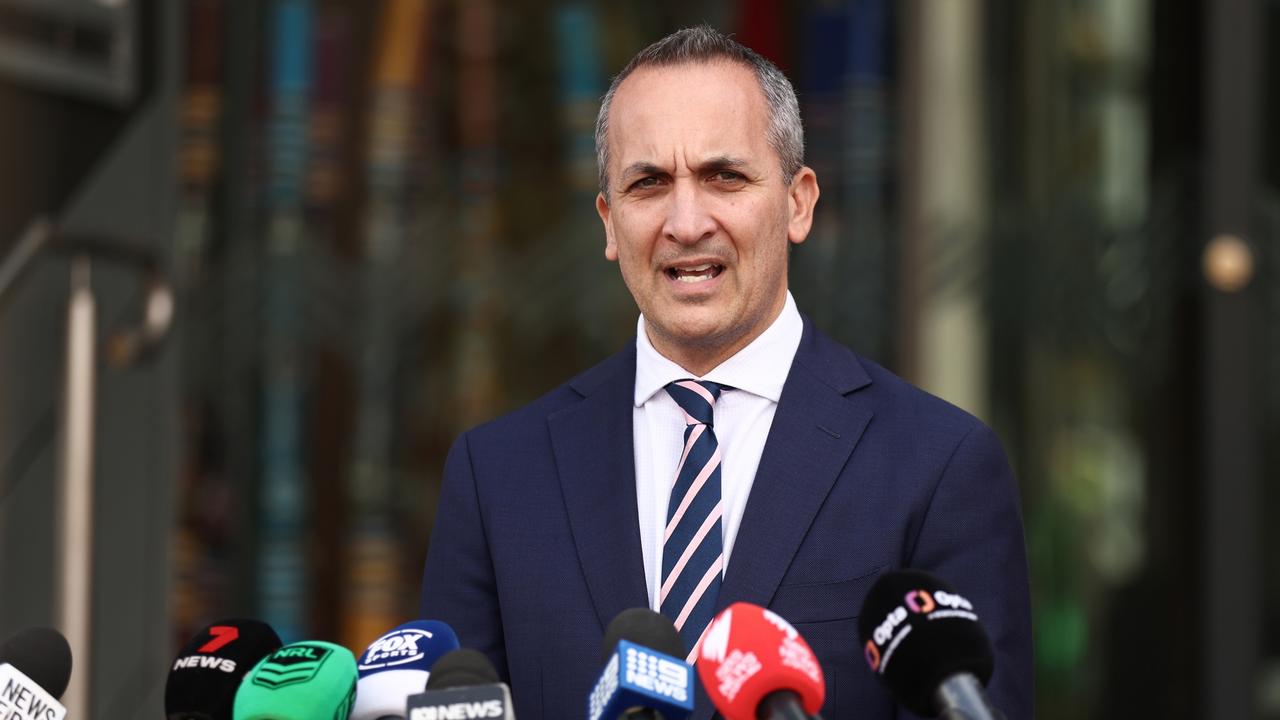
The controversy has raised broader questions about governance in Australian rugby league. Critics argue that fixture manipulation, if proven true, undermines the credibility of the competition and could damage fan trust. The Broncos themselves have not commented directly, but insiders suggest internal discussions are ongoing to address the public backlash.
Furner also highlighted specific games where the Broncos allegedly faced unfair disadvantages. For example, he mentioned matches scheduled immediately after long travel periods and games with unusually short intervals between physically demanding contests. These examples, he argues, reveal a pattern of deliberate bias.
Fans are divided. Some believe Furner’s accusations reveal a long-standing issue in the league that has gone unnoticed. Others caution against jumping to conclusions, suggesting that fixture scheduling is inherently complex and influenced by broadcasting, venue availability, and commercial considerations.
Journalists covering the story are digging deeper. Investigative pieces are exploring past fixture patterns, comparing travel schedules, rest days, and home versus away advantages across all teams. Early reports indicate that the Broncos may indeed have faced more taxing schedules than several other teams, though final conclusions remain pending.
Sports ethicists note that even the perception of bias can be damaging. They argue that league organizers must not only ensure fairness but also maintain transparency so that fans and players trust the competitive process. Furner’s allegations amplify these concerns dramatically.

Meanwhile, rugby analysts suggest that the timing of Furner’s accusations may be linked to the Broncos’ recent performance slump. Poor results in high-stakes matches have intensified scrutiny, and fans are now more willing to believe claims of systemic disadvantage.
Financial implications are also emerging. Sponsors and broadcasters may take an interest in the controversy, as allegations of fixture manipulation could affect viewership and brand association. Any confirmation of bias could have long-term economic impacts for the league and the teams involved.
Some former referees and match officials have weighed in, noting that while scheduling is mostly a logistical matter, repeated patterns of uneven competition can influence results. They stress that impartial oversight is crucial to prevent conflicts of interest or perceptions of favoritism.
Furner has promised to provide additional evidence in the coming days, including detailed match schedules, player rest patterns, and travel logs. The rugby community eagerly awaits these documents, which could either substantiate his claims or invite further scrutiny of his motives.
Fan forums are filled with speculation, debate, and analysis. Many supporters of the Broncos are voicing frustration, claiming that unfair scheduling has cost their team crucial victories and playoff opportunities, while others emphasize that performance ultimately rests on players and coaching, not only on external factors.
Media outlets have described Furner’s statements as “explosive” and “potentially league-altering.” Headlines question whether the NRL could face a formal investigation or even regulatory review to ensure fixture fairness in future seasons.
The situation has put the Broncos in the spotlight, not just for their on-field performance but also for the broader questions of league integrity. Coaches, players, and management face intense scrutiny as public demand for answers grows.
Analysts emphasize that the unfolding story is about more than a single team. Fixture fairness affects competitive balance across the league, influences player health and fatigue, and shapes the legitimacy of championships. Any perceived manipulation undermines these foundational principles.
Furner’s reputation adds weight to his claims. As a long-time figure in rugby league with decades of experience, his insights carry credibility. Fans and commentators note that someone of his stature would not risk public denunciation without serious concern.
Legal experts have also weighed in, suggesting that if evidence supports allegations of deliberate fixture bias, the NRL could face regulatory inquiry or sanctions. This could lead to significant reforms in scheduling processes to prevent future conflicts of interest.
Social media continues to amplify the story, with fans dissecting past schedules, creating charts, and debating whether the Broncos truly received unfavorable treatment. The conversation has sparked a broader discussion about transparency, fairness, and governance in professional sports.
In conclusion, Don Furner’s explosive allegations against the NRL and the Brisbane Broncos have shaken the rugby league world. The story intertwines questions of fairness, ethics, player welfare, and competitive integrity, leaving fans, officials, and analysts eagerly awaiting the next developments.
As more evidence emerges and both the NRL and Broncos respond, the controversy may redefine how fixture scheduling is viewed and scrutinized in professional rugby. For now, the league faces intense public pressure to prove that fairness, not favoritism, governs the sport.